Fatty Liver Disease and Nonalcoholic Steatohepatitis (NASH)
Liver Health: Understanding Fatty Liver Disease, NASH, and Their Connection
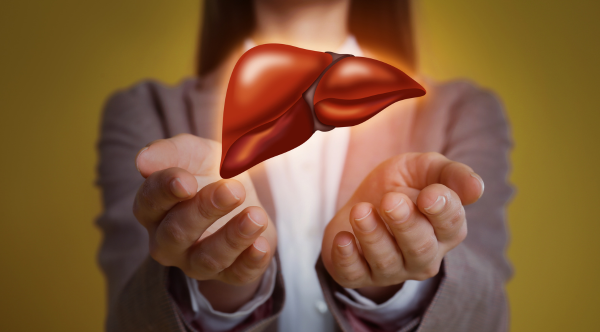
Nonalcoholic Steatohepatitis (NASH) and fatty liver disease are closely interconnected conditions within the spectrum of metabolic dysfunction-associated steatotic liver disease (MASLD). Both conditions involve the accumulation of fat in the liver, known as hepatic steatosis, without the presence of significant alcohol consumption.
At Dietitians of Alaska, our dietitians can play a pivotal role in supporting individuals with NASH or fatty liver disease in managing their condition and improving their overall health and well-being.
Understanding Metabolic Associated Fatty Liver Disease (MAFLD)
Metabolic Associated Fatty Liver Disease (MAFLD) is a term that describes a group of liver conditions where fat builds up in the liver of people who don't drink a lot of alcohol. Unlike the older term Non-Alcoholic Fatty Liver Disease (NAFLD), MAFLD not only looks at the fat in the liver but also considers other health issues like obesity and diabetes. This change reflects how MAFLD is connected to broader health problems. To cope with MAFLD, it's important to make lifestyle changes such as eating a balanced diet full of fruits, vegetables, and whole grains, while cutting down on unhealthy fats, sugars, and processed foods. Regular exercise and maintaining a healthy weight are also key. Managing other health issues like diabetes and high blood pressure can help too. By detecting MAFLD early and managing it well, you can improve your liver health and overall well-being.
Who is at Risk:
People at risk for Metabolic Associated Fatty Liver Disease (MAFLD) include those with obesity, especially abdominal obesity, and individuals with type 2 diabetes or insulin resistance. Those with metabolic syndrome, which includes high blood pressure, high blood sugar, excess body fat around the waist, and abnormal cholesterol or triglyceride levels, are also at higher risk. Additionally, people with sedentary lifestyles, poor dietary habits, and a family history of liver disease or metabolic disorders are more likely to develop MAFLD. While genetics can play a role, lifestyle factors are significant contributors to the risk of MAFLD.
UNDERSTANDING NASH
Nonalcoholic Steatohepatitis (NASH) is a progressive liver disease characterized by the accumulation of fat in the liver, accompanied by inflammation and potential scarring. Unlike alcoholic liver disease, NASH occurs in individuals who do not consume excessive quantities of alcohol. Over time, NASH can lead to serious complications such as fibrosis, cirrhosis, and liver failure if left untreated.
WHO IS AT RISK
Several factors increase the risk of developing NASH. Individuals who are obese, have Type 2 diabetes, elevated lipids (cholesterol, triglycerides), or cardiovascular disease are particularly susceptible. Genetic predispositions, certain medications, and lifestyle habits also contribute to heightened risk. Advanced age further exacerbates susceptibility to NASH.
Understanding the Connection Between NASH and Fatty Liver Disease
While fatty liver disease represents the early stage of MASLD, with excess fat accumulation but minimal inflammation or liver cell injury, NASH signifies the advanced stage, marked by hepatic steatosis accompanied by inflammation and liver cell damage. The key difference lies in the presence of inflammation and liver cell injury in NASH, posing a higher risk of complications such as fibrosis and cirrhosis if left untreated. Understanding these distinctions is crucial for early intervention and targeted management strategies to prevent further liver damage and improve outcomes for individuals with NASH and fatty liver disease.
HOW WE CAN HELP
Dietitians of Alaska can play a crucial role in supporting individuals who develop NASH and fatty liver disease by providing specialized nutritional guidance and support tailored to their unique needs. Through personalized dietary plans, weight management strategies, nutrition education, lifestyle modifications, monitoring, and collaboration with other healthcare professionals, our dietitians empower individuals to optimize liver health and improve overall quality of life.
Our dietitians allow individuals to make informed choices that promote liver health and overall wellness. Contact Dietitians of Alaska today to schedule an appointment to ensure access to expert dietary support tailored to your unique needs, promoting optimal liver health and overall well-being.

“Erika, the dietitian, is hilarious. I always enjoyed going to my meetings with her. They’re all just awesome!”
Jen D.
“The entire staff is wonderful! They get to know you on a personal level.”
Jennifer D.
“From the minute you walk in, everyone is great. They hired the right people. They make you feel welcome – no fat shaming, so understanding, empathetic – with these kinds of people, it all just falls into place.”